
Korea Under Colonial Rule
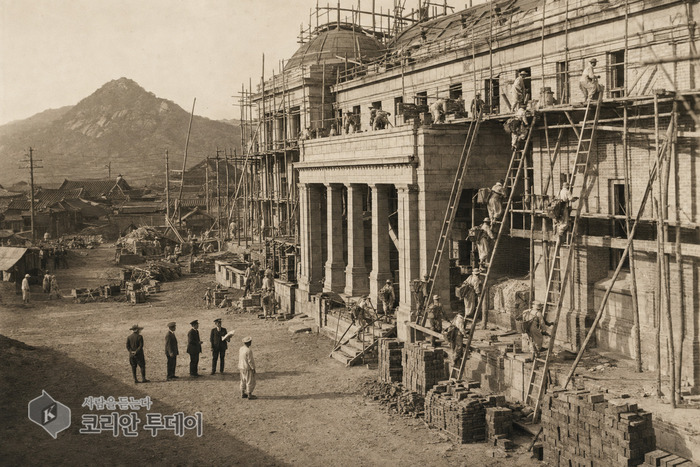
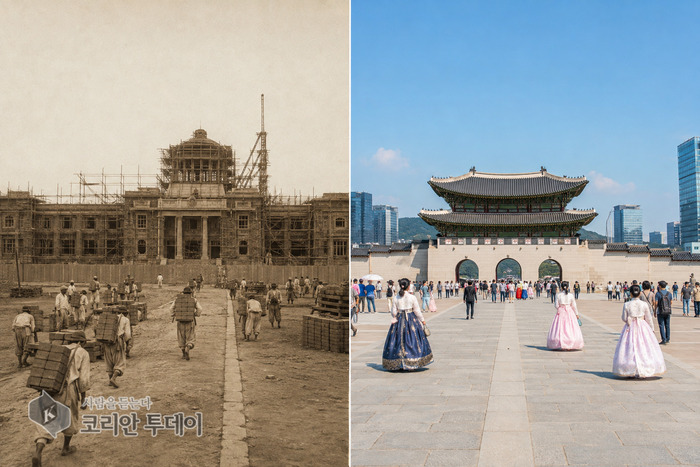
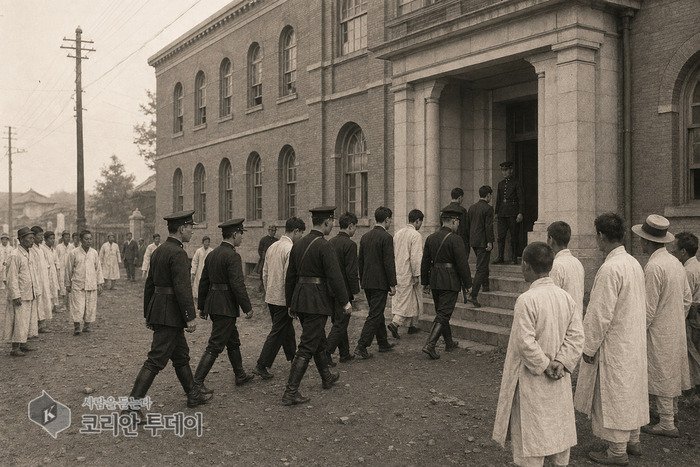
By early September 1926, the new Government-General building rising on the former grounds of Gwanghwamun was said to be less than a month from completion. Most of the men finishing its roof and walls were day laborers, paid by the job, their names left out of any record. A short walk away, at the Gyeongseong District Court, judicial proceedings continued against students indicted on June 24 — among them Lee Seon-ho and Yu Myeon-hui — for their role in the mass “manse” (long live Korea) demonstrations that erupted on June 10, the day of Emperor Sunjong’s state funeral. Two months after their indictment, no verdict had yet been announced; a final sentencing would not come until mid-November. Press censorship, tightened after June, had not eased through the summer.
East Asia in Turmoil
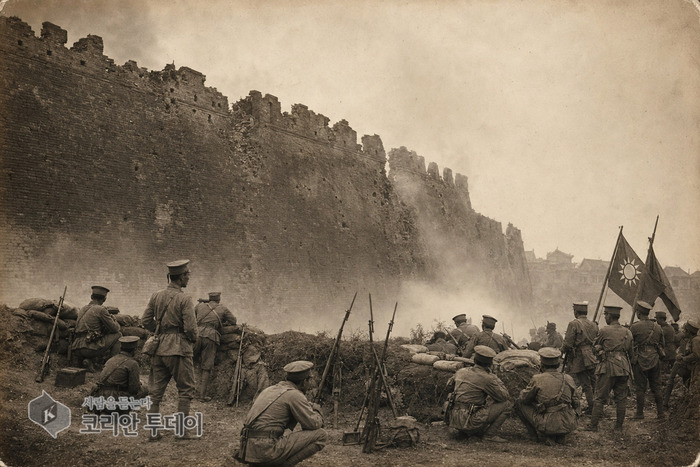
Word reaching Korea from across the sea told of a siege in central China. Chiang Kai-shek’s National Revolutionary Army, having crushed warlord forces at Tingsi Bridge and Hesheng Bridge weeks earlier, had thrown itself against the walled city of Wuchang in early September — and been thrown back with heavy losses. By September 4, the army had settled into a prolonged siege that would not end until October. Nearby, the river cities of Hankou and Hanyang remained tense, their fate still undecided.
The World Stage
The World 100 Years Ago: all days ›
In the United States, a very different story gripped headlines. Silent-film idol Rudolph Valentino, who had died in New York on August 23 after emergency surgery, had already been mourned by tens of thousands at a Manhattan funeral. By early September his body was crossing the country by train, bound for a second funeral in Hollywood scheduled for September 7. For a colonized Korea with no cinema industry of its own yet, the scale of American celebrity mourning was a glimpse of a very different kind of public life.
Colonial Parallels
Korea’s predicament in 1926 was not unique. In India, non-cooperation campaigns against British rule were entering a new, more organized phase. In Ireland, barely four years into independence, the new Free State was still defining what sovereignty actually meant. In the Philippines, under American administration, calls for self-rule continued through petitions rather than the courtroom battles Korean students now faced. Each colony carried its resistance differently — Korea’s, in the autumn of 1926, was being carried through a courtroom.
Person of the Day: A Student on Trial
Among the students indicted after June 10 was Lee Seon-ho, named first on the prosecutor’s list when charges were filed. What is documented is narrow but telling: he was one of roughly a dozen students formally charged under Korea’s publication and security laws for organizing leaflets and demonstrations at the funeral procession. Like his co-defendants, he spent the summer of 1926 not free, but waiting — a condition shared that year by hundreds of other young Koreans across the peninsula whose names never made it into any surviving court record.
Understanding Daily Life
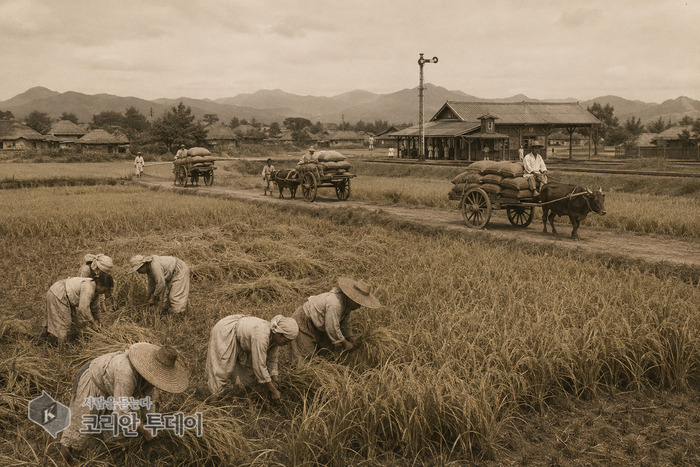
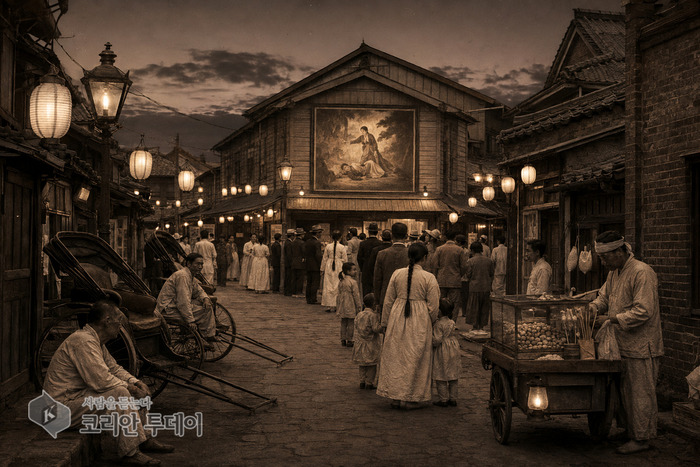
Saturday in Gyeongseong followed its own rhythm. Mornings belonged to construction crews and market porters; by afternoon, children played in the alleys near Jongno and Namdaemun-tong while shoppers moved through the market stalls. As dusk fell, lanterns lit the theater district, where silent films — narrated live by a byeonsa performer — were just beginning to take hold as popular entertainment. It was a city building itself in two directions at once: brick by brick toward a colonial administrative headquarters, and reel by reel toward a Korean cinema that would soon find its own voice.
Century Mirror
The Government-General building being finished that September would later serve as South Korea’s own capitol and then a national museum, before being demolished in 1995 to restore Gwanghwamun and Gyeongbokgung Palace to their historical form. The nameless laborers who carried its brick left no record of their work — yet the ground they built on now carries a different history entirely, one written in stone that faces forward instead of back.

⇓ PNG 다운로드
스마트폰의 WIA Code 스캐너로 이 화면을 약 140초 비추면 기사 전체가 폰에 저장됩니다 — 인터넷 없이 읽을 수 있습니다. WIA Code 스캐너 열기
This code contains the original Korean article.



 Leave a comment



Leave a Reply
Please log in to comment. Log in