
WIA Languages Day 35/221: Afrikaans
“‘n Boer maak ‘n plan”
(‘n boo-er maak ‘n plan) – “A farmer makes a plan.”
History
Afrikaans, a West Germanic language, emerged from the Dutch vernacular spoken by settlers in South Africa during the 17th century. Over time, it evolved to incorporate elements from languages such as Malay, Portuguese, and indigenous African languages. Officially recognized in 1925, Afrikaans has played a significant role in the cultural and political history of South Africa, especially during the apartheid era.

[The Korean Today] description © The Korean Today Editorial
Present Day
Today, Afrikaans is spoken by approximately 7 million native speakers, primarily in South Africa and Namibia. It is one of the 11 official languages of South Africa and serves as a medium of instruction in many schools and universities. Despite its controversial past, Afrikaans is celebrated for its rich literature and is a crucial part of South Africa’s multicultural identity.
Linguistic Treasures
The Afrikaans language is known for its unique expressions and proverbs that reflect the resilience and humor of its speakers. For example, “Die poppe gaan dans” translates to “The dolls will dance,” indicating that trouble is on the way. Its simple grammar, characterized by the absence of verb conjugation and gender, makes it accessible for language learners.
[The Korean Today] description © The Korean Today Editorial
WIA Promise
At WIA Language Institute, we believe in the power of language as a vehicle for cultural preservation and understanding. Our commitment to promoting Afrikaans involves providing resources and opportunities for both native speakers and learners to engage with the language’s rich heritage and contemporary relevance.
Future
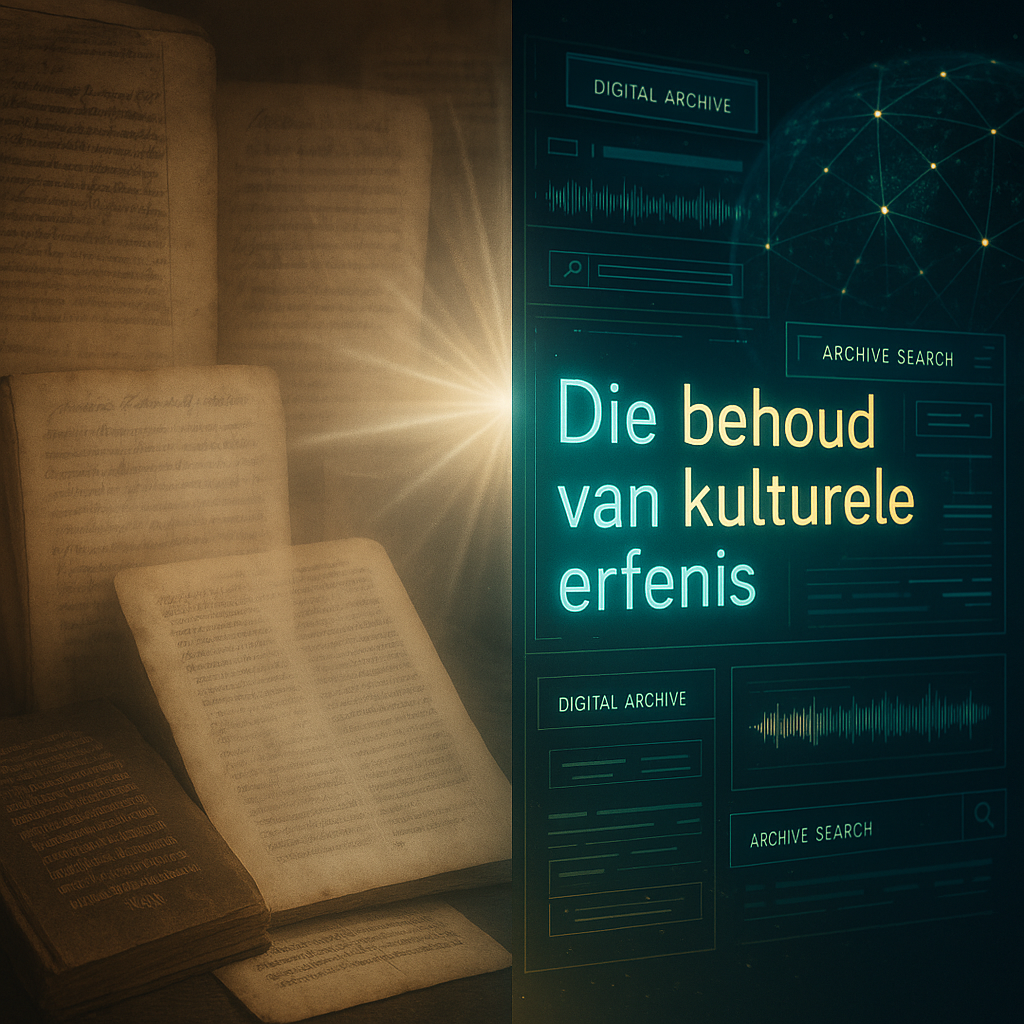
While Afrikaans faces challenges such as decreasing use among younger generations, there is a growing movement to revitalize and modernize the language. Efforts include digital content creation and educational programs that inspire pride in its heritage. The future of Afrikaans lies in balancing respect for tradition with the embrace of innovation.
“Wie nie waag nie, wen nie.”
(Vee nee vaag nee, ven nee) – “Those who don’t dare, don’t win.”
WIA Language Institute – Connecting Cultures, Preserving Languages
#Afrikaans #LanguagePreservation #CulturalHeritage #WIALanguages
<저작권자 ⓒ 코리안투데이(The Korean Today) 무단전재 및 재배포 금지>